Never mixed before
We cover counting bars, cueing on the downbeat, and keeping two tracks in time without touching the EQ yet.
1186 Queen Street West, Toronto, ON M6J 1J6
Mon–Fri 10:00 AM – 8:00 PM · Sat 11:00 AM – 6:00 PM · Sun closed
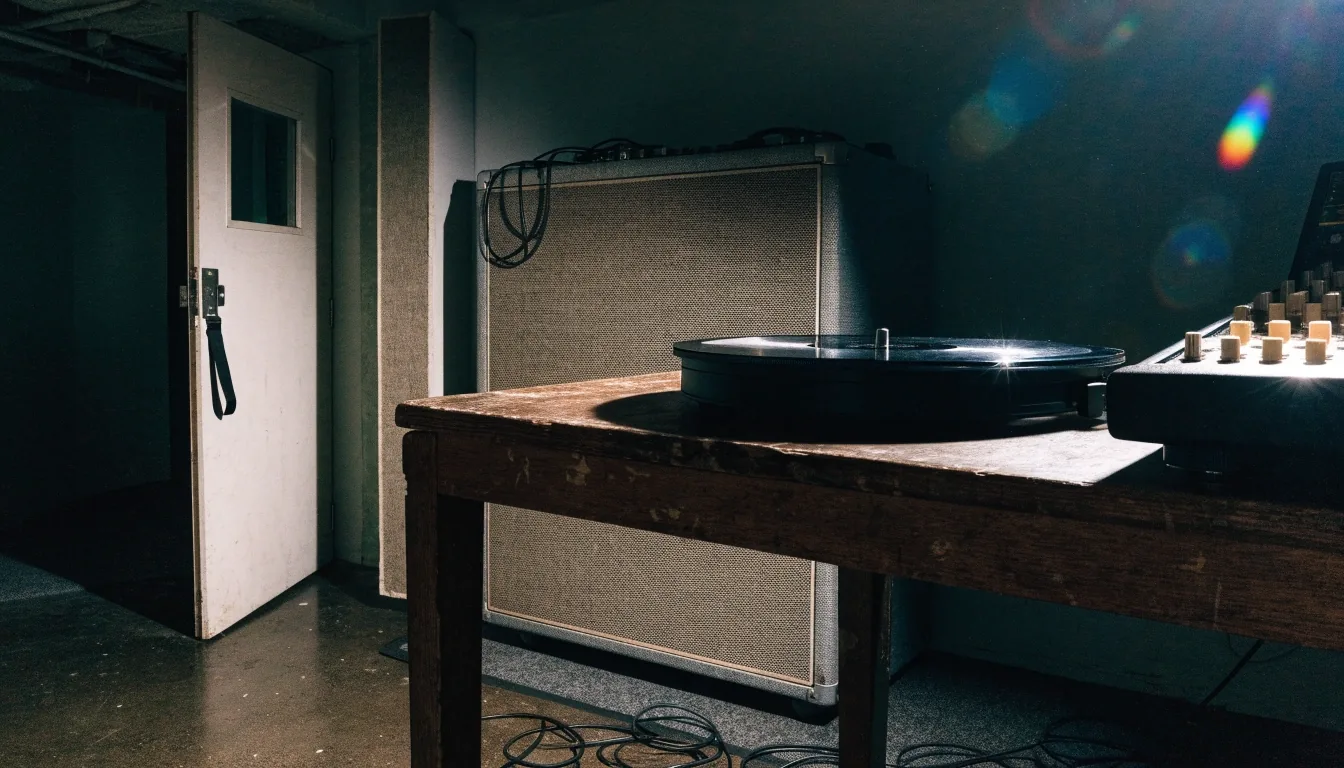
Most questions people send us are about lesson levels, gear, and what a first session actually looks like. These are the ones that come up most often at DJ Lane Studio.
Seven groups below cover levels, gear, first-session priorities, rehearsal and recording bookings, mixing versus mastering, policies, and payment. Skip to the one you need.
Beginners start with fundamentals: hearing the beat, cueing, phrasing, and holding a blend. No music background and no equipment are required to walk in. If you already mix, tell us what you can do and we will skip the basics and work on the parts that are not landing.
We cover counting bars, cueing on the downbeat, and keeping two tracks in time without touching the EQ yet.
Bring one or two tracks you find hard to blend and we will work on those transitions instead of a fixed curriculum.
We look at set structure, energy across an hour, and how to read a room rather than only how to beatmatch.
Music production and sound design sessions run alongside DJ lessons, so you can build tracks and learn to play them.
Our music classes are one-to-one or small group, so the pace follows you. If you are unsure which level fits, describe what you can already do in an enquiry and we will place you.
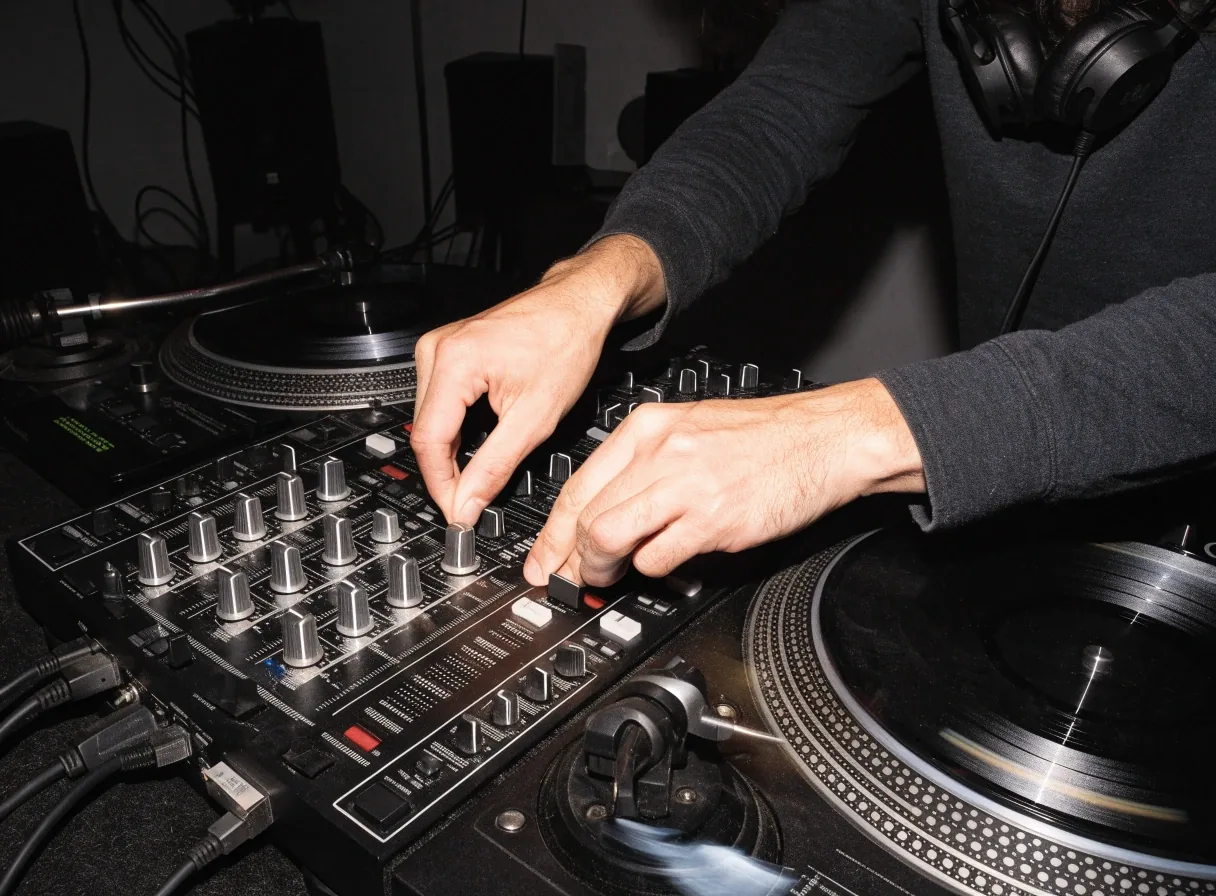
The studio has club-standard decks and a mixer, so you do not need to bring gear. Bring headphones and a USB drive with music you actually want to play.
If you practise on a controller or software at home, mention it when you book. It helps us match the lesson to what you use, so the habits you build here carry over to your own setup.
Beatmatching, EQ, or theory is the question we hear most. For DJs, phrasing and cueing come before EQ, because a mix that is technically in time but badly phrased still sounds wrong. EQ and theory become more useful once you can hold a blend reliably.
If you are learning on your own, spend your first weeks on hearing where an eight-bar phrase ends. Everything else gets easier once that timing is automatic, and it is the fastest fix for sets that drift.
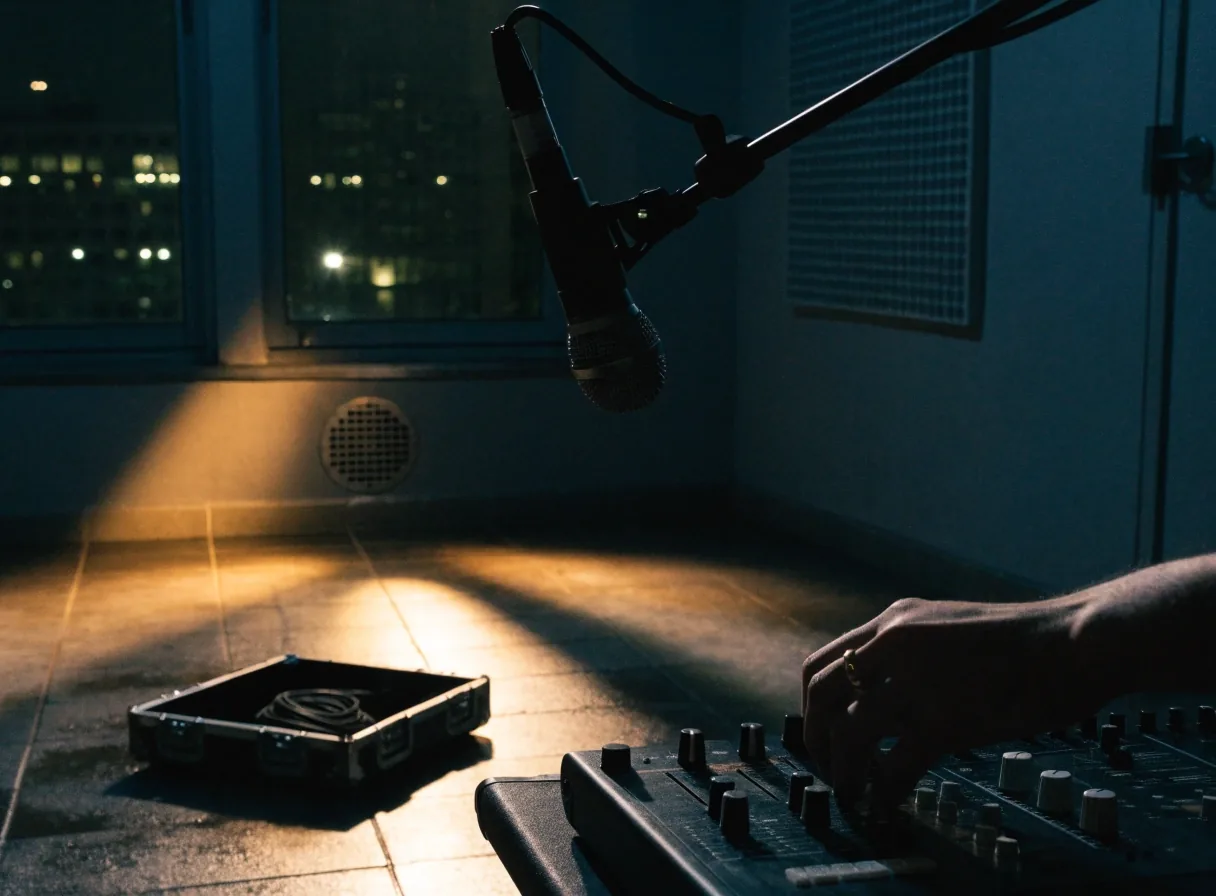
Rehearsal rooms book by the hour. Recording sessions are booked separately and cover vocals, instruments, small ensembles, and spoken-word work.
Many artists rehearse first and record second, which shortens the recording session. If you already know the arrangement, say so and we can plan the room around fewer takes.
Booked by the hour, with club-standard decks and a mixer already set up.
Separate bookings for vocals, instruments, small ensembles and spoken word.
Say how many songs and how prepared they are, and we will suggest the room and the length.
These are three different jobs, and booking the wrong stage wastes session time. Ask if you are unsure which one your project is ready for.
Captures the performance itself, with a treated booth and multitrack capture.
Balances the recorded tracks into one coherent piece, with levels, panning and space.
Prepares the finished mix for release, keeping it consistent across players and rooms.
Plans change. Contact the studio as early as you can if you need to move a session, and we will find another slot where the calendar allows. Repeated no-shows are handled case by case. If you are running late, call.
If you are not sure whether a change counts as a reschedule or a cancellation, ask before the session date and we will walk you through it.
Booking is confirmed once we have agreed a time and sent confirmation details. Ask about payment methods when you enquire; we will tell you what the studio accepts.
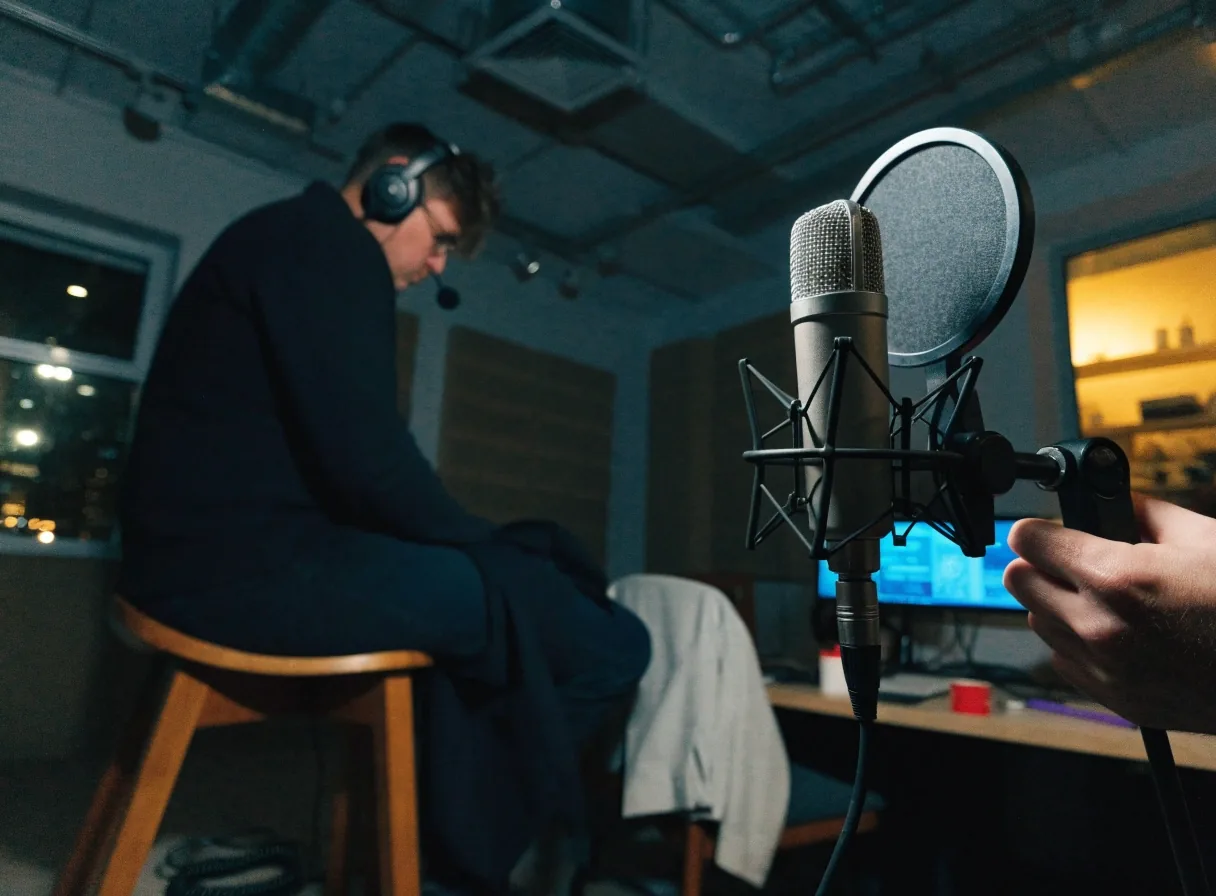
Short answers to the ones that come up before anyone books. If yours is not here, send an enquiry and we will answer it directly.
Yes. Many students combine DJ mixing lessons with production and sound design sessions, and we schedule them around each other so you are not learning two unrelated things at once.
It depends on how prepared the performance is. One or two songs is usually a short booking; fuller projects need more. Ask and we will estimate honestly rather than sell you extra hours.
Rehearsal rooms are built around club-standard decks and a mixer. Recording rooms use a treated vocal booth and multitrack capture. Ask about specifics before you book if you rely on a particular setup.
Often yes. Rehearsing tightens the arrangement and performance, which shortens the recording session. Bands that arrive prepared usually get more usable takes in the same booking.
Bring them if you have them. If not, ask before your session and we will tell you what is available in the room. A USB drive with your own tracks is still worth bringing either way.
Still unsure? Ask us directly.
Tell us your level, what you want to record, and the hours that suit you. We will suggest the right lesson, rehearsal slot or sound recording session and confirm the details by email.
Booking and privacy details are covered in the Terms of Service and Privacy Policy.