Rehearsal rooms and recording sessions in Toronto
Two things book here: rehearsal time on club-standard gear, and recording sessions for vocals, instruments, and spoken-word work. Both are hourly, both are in the same Toronto studio.
Two rooms, one booking path
Rehearsal and recording sit in the same studio, so the same desk answers both. That keeps things simple: you tell us what the session is for, we set the room and confirm the hours. Whether you are preparing a set on the decks or cutting a vocal for a track, the setup is arranged before you arrive rather than during your first paid hour.
Both rooms run on the same hourly rhythm, so you can rehearse in the afternoon and record in the evening when the calendar allows. Ask about the pair if you are unsure which order suits your project.
Before you book
Bring headphones, your music on a USB drive, and any lyrics or parts you are working from. For a recording session, stems or backing tracks help us set up faster.
Ask about room specs
Rehearsal room
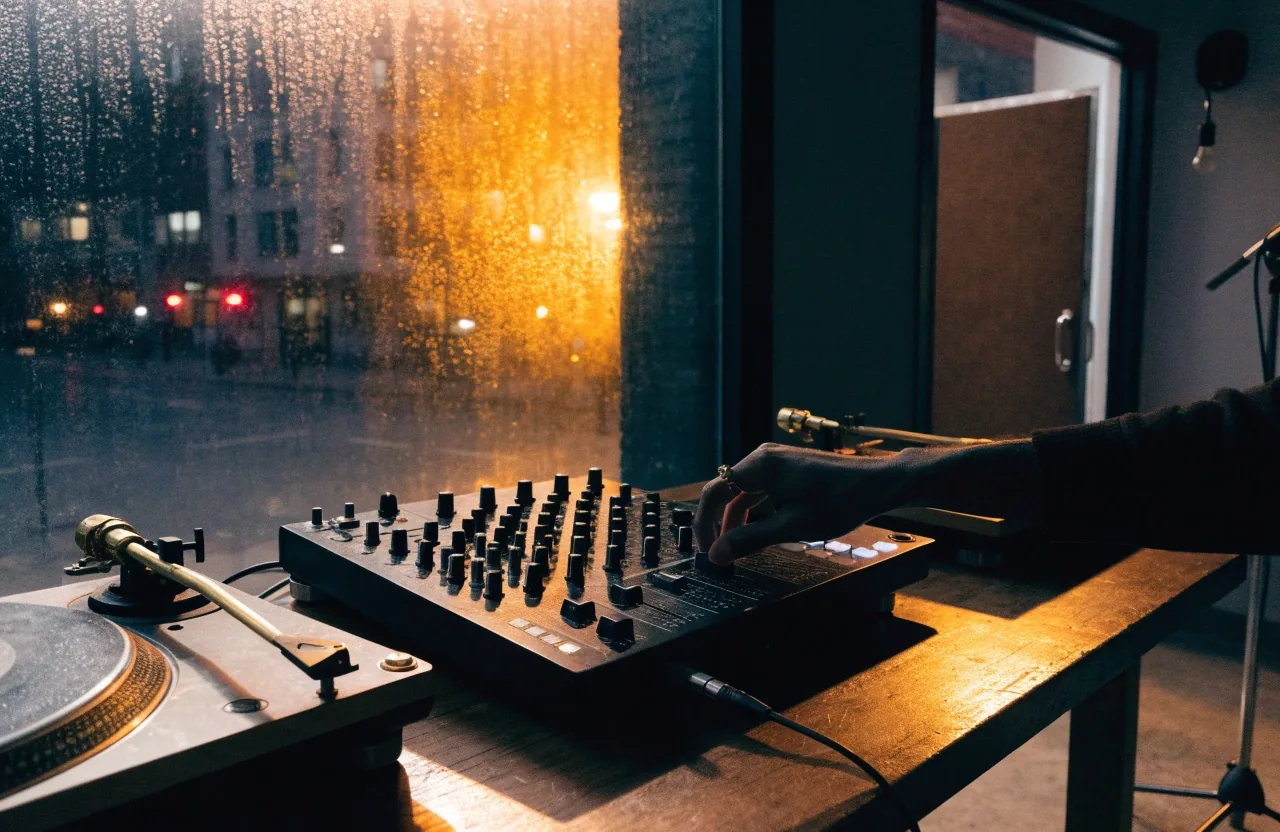
The rehearsal room is built around a club layout: decks and a mixer set up the way you will meet them at a gig. That matters more than it sounds. Controller practice and club practice feel different under your hands, and the monitoring changes what you can hear in a mix.
Book it to run a set before a show, test new material, or simply put in hours on real equipment. If you are between projects, an hour on the decks here does more for your timing than an hour on a laptop.
Good reasons to book rehearsal time
- Run a full set before a club night or private event.
- Test new tracks and transitions on a real mixer, not a simulator.
- Practise cueing and beatmatching with club monitoring in the room.
- Record a rough take of the set to hear what actually landed.
Recording room
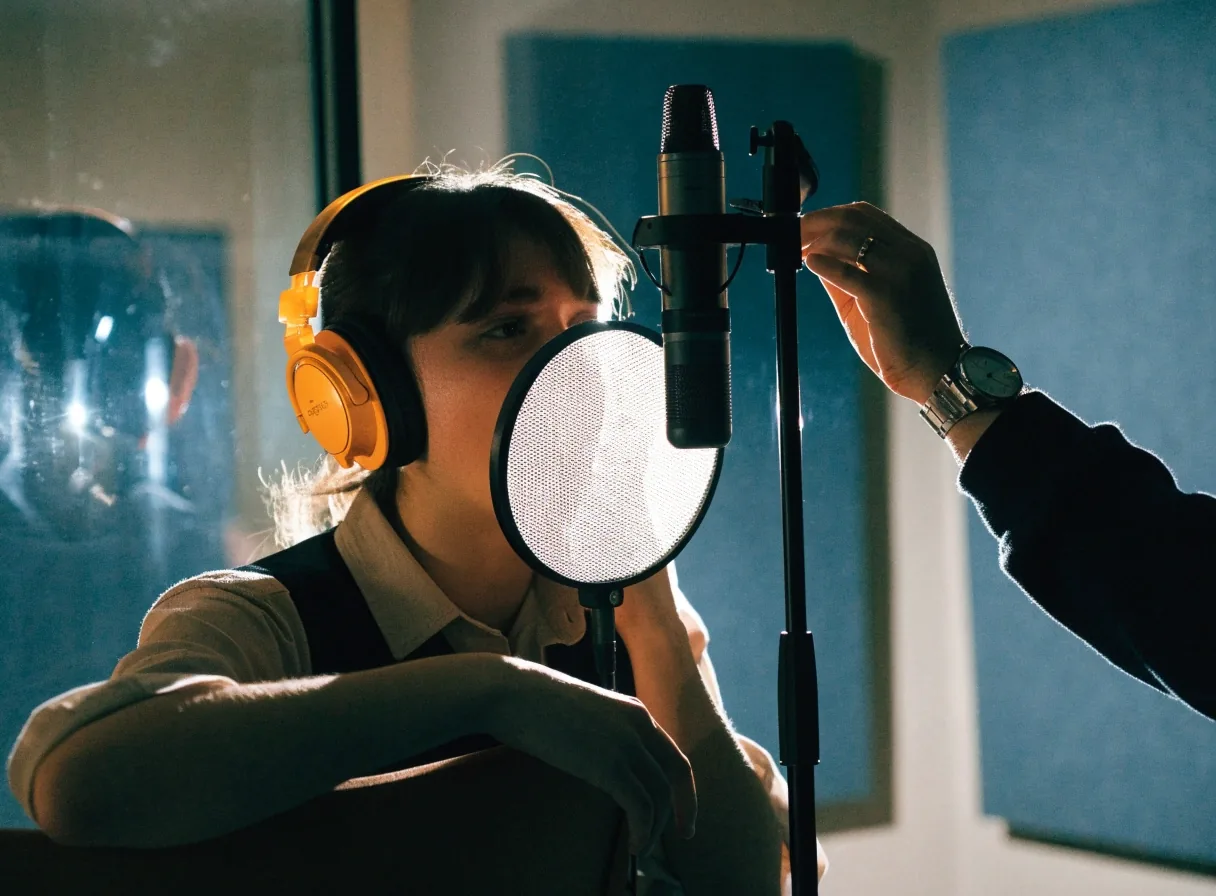
The recording space includes a treated vocal booth and multitrack capture for vocals, instruments, and small ensembles. We record music, dialogue, and mixed projects, so a podcast or voice-over session uses the same clean signal path as a vocal take.
If your project mixes spoken and musical parts, tell us in the enquiry and we will plan the session so both are captured without resetting the room halfway through.
Room specs and configuration
Some projects work best in a contained single-room setup where the control and recording areas sit together, which keeps small sessions efficient. Others need the booth separated from the control position. Tell us what you are recording and we will set the room accordingly.
If you want specifics on gear before booking, ask. We would rather answer a question than have you arrive to the wrong setup.
Single-room setup
Control and recording areas together, good for solo vocals, demos and voice-over
Booth separated from control
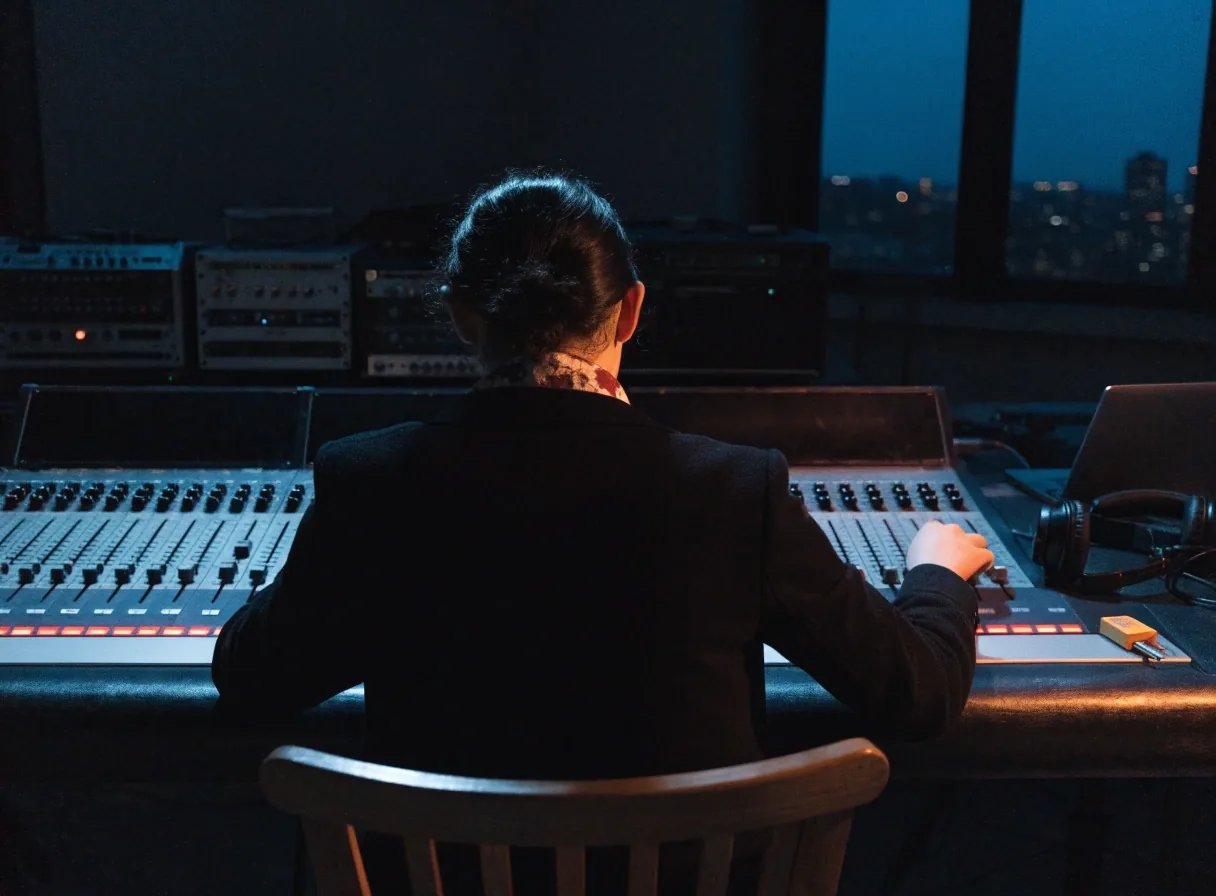
Performer in the booth, engineer at the desk, better for ensembles and layered takes
Rehearsal layout
Club-standard decks and mixer with monitoring, set up as you would meet it at a gig
Spoken-word and podcast
Same clean signal path as a music take, with the booth set for dialogue
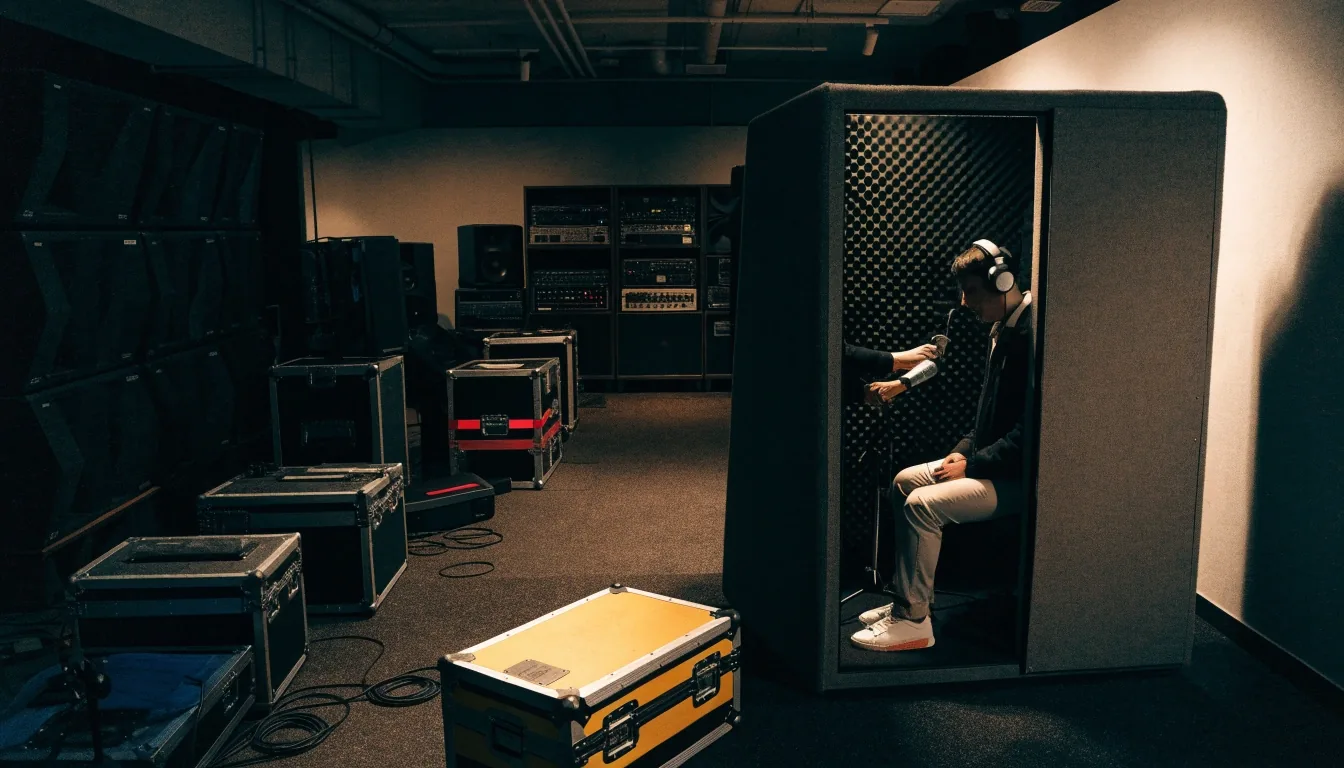
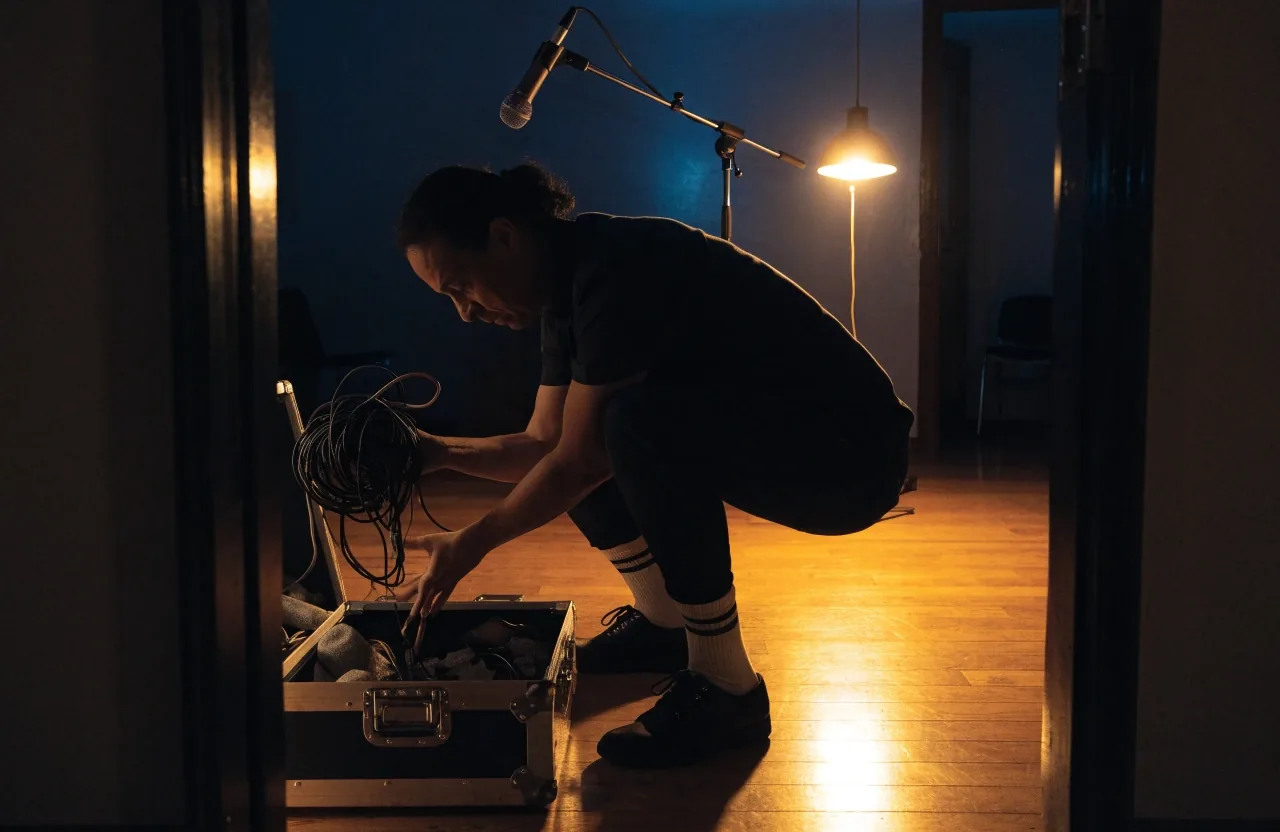
Gear comes out of these cases before every session. Ask what is already set up for your booking so you only carry what you actually need.
Booking steps
Three steps, in this order. It keeps the reply accurate and saves a round of messages.
-
Decide rehearsal or recording
The two rooms are set up differently, so the first answer decides everything else. Rehearsal time is for working a set on the decks. Recording time is for capturing a performance in the booth or the live area. If you want both, say so now and we will look at the day as a whole.
-
Send an enquiry with dates and hours
Include your preferred dates, how many hours you think you need, and a short description of the project. A sentence or two is enough. If you have a deadline for a show, a release or a client hand-off, mention it so we can flag the right slots.
-
Confirm availability and configuration
We come back with what is open and how the room will be set for your session. Payment and confirmation details arrive with that reply, so nothing is charged before you have agreed the setup.
Rehearse first. Record second.
A useful order for many artists. Rehearsing tightens the arrangement and the performance, which shortens the recording session. It also costs less than discovering arrangement problems while the recording clock runs.
Mixing and mastering
Recording captures the performance; mixing balances the tracks; mastering prepares the finished mix for release. These are separate stages, and booking the wrong one wastes session time. If you are not sure where your project sits, describe it and we will tell you honestly.
Which stage is your project at?
- You have an arrangement and need a clean performance captured: book recording.
- You have recorded tracks and need them balanced against each other: that is mixing.
- You have a finished mix and need it prepared for release: that is mastering.
- You have nothing recorded yet: start with rehearsal, then book a recording session.
Who the rooms suit
Solo artists and small projects. DJs preparing a set. Vocalists and rappers cutting a demo. Podcasters and voice-over clients. Producers who need a clean capture before mixing. If your project is larger than the room can take, we will say so rather than book you into a bad fit.
What to bring
Headphones, your music on a USB drive, and any parts or lyrics you are working from. For recording, bring your stems or backing tracks if you have them. If you are missing something, ask before the session; it is easier to solve in advance.
Come early enough to set up. Session hours are booked, so the clock starts when the room is yours.
Questions before you book
How far ahead should I book?
The earlier the better, especially for evenings and weekends. Send your preferred dates and we will confirm what is open.
Can I record a podcast here?
Yes. The recording room handles spoken-word work, and podcast and voice-over sessions use the same signal path as music recording.
Do you provide an engineer?
Tell us what you need in your enquiry and we will confirm what is available for your session.
What is the difference between mixing and mastering?
Mixing balances the individual tracks in a song. Mastering prepares that finished mix for release. They are separate stages and are booked separately.
Can I rehearse and record on the same day?
Often yes, depending on availability. Mention both in your enquiry and we will schedule them together.
Visit or call the studio
1186 Queen Street West, Toronto, ON M6J 1J6, Canada
Monday to Friday 10:00 AM – 8:00 PM. Saturday 11:00 AM – 6:00 PM. Sunday closed.
Tell us the project. We will match the room.